


Ultrasound Therapy in Tomball (coming soon)
Ultrasound therapy in Tomball uses safe sound waves to deliver soothing deep heat to soft tissue — easing inflammation and speeding recovery from strains and sprains.
Bluebonnet Chiropractic
Ultrasound Therapy in Tomball

Written & medically reviewed by Dr. Elizabeth Kincaid, DC Owner & Chiropractor
Therapeutic ultrasound is one of the quietest, most soothing tools in our office — and one of the most effective for soft-tissue injuries that just won't heal on their own. Dr. Elizabeth Kincaid uses it to deliver focused, deep heat right where strains, sprains, tendon irritation, and bursitis linger, giving tissue the circulation and relaxation it needs to finally turn the corner. Whether you're coming from Tomball, Magnolia, or Cypress, you may be surprised by how painless — and how helpful — it is.
How it works
What to expect with ultrasound therapy
- Step 1
Focused assessment
We identify the exact tissue involved — muscle, tendon, bursa, or ligament — and confirm ultrasound is the right tool for your stage of healing before we begin.
- Step 2
Targeted treatment
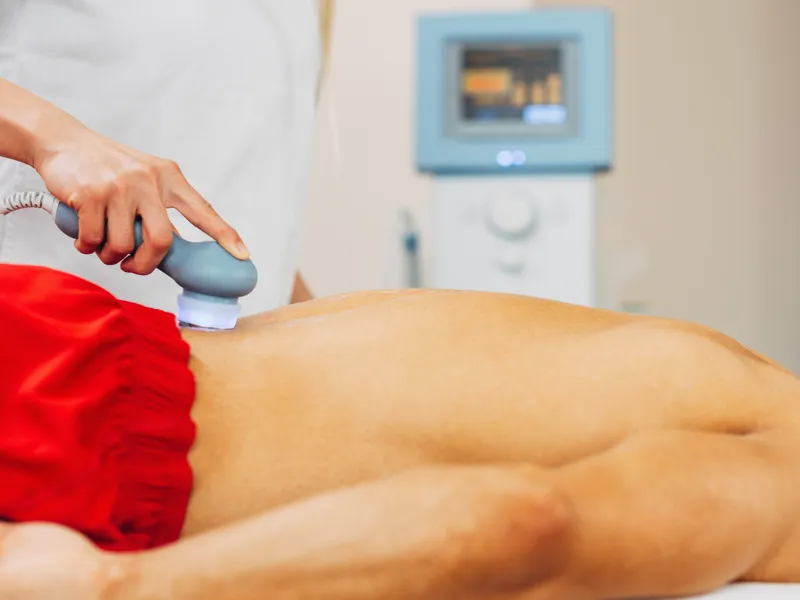
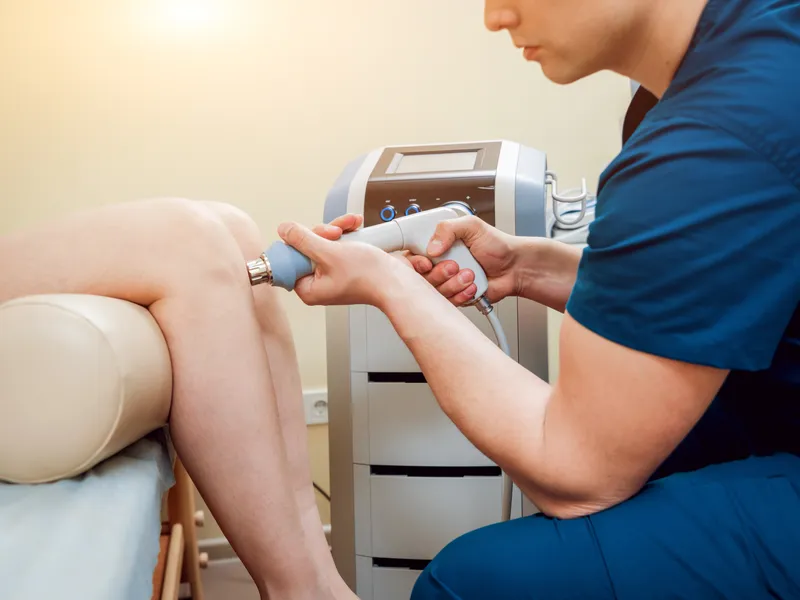
Using coupling gel, the transducer glides over the treatment area delivering precisely dosed sound waves to the injured layer. Sessions typically run 5–10 minutes per site.
- Step 3
Integrated recovery plan
Ultrasound works best alongside adjustments, stretching, and rehab. We build it into your care plan so soft-tissue healing and joint function improve together.
Why patients choose it
Benefits of ultrasound therapy
Reaches deep tissue a heating pad cannot
Reduces inflammation and muscle guarding
Speeds healing of tendons, ligaments, and muscle fibers
Improves flexibility by softening scar tissue
Completely painless — relaxing for most patients
Drug-free, non-invasive, no downtime
The basics
About ultrasound therapy
Sound waves at therapeutic frequencies (typically 1–3 MHz) pass harmlessly through the skin and convert to gentle heat deep inside muscle, tendon, and ligament tissue — reaching up to 5 cm below the surface where a heating pad simply can't. That deep warmth increases local blood flow, relaxes tight muscle fibers, and makes collagen more pliable, which speeds the remodeling of scar tissue and gets injured soft tissue healing properly rather than slowly.
A second mode — pulsed ultrasound — delivers the same sound waves without significant heat buildup, making it ideal for acute inflammation and swelling right after an injury. Whether we use thermal or pulsed mode (or a combination of both) depends on how fresh the injury is and what your tissue needs most. Either way, you'll feel little more than a gentle warmth and mild vibration — never pain.

New Patient Special
Your first visit for just $57
We are running a new patient special for $57 on your first appointment! No promo code is needed to take advantage, just need to schedule!
New Patient Special is not valid on weekend appointments, full appointment rate applies
What is ultrasound therapy?
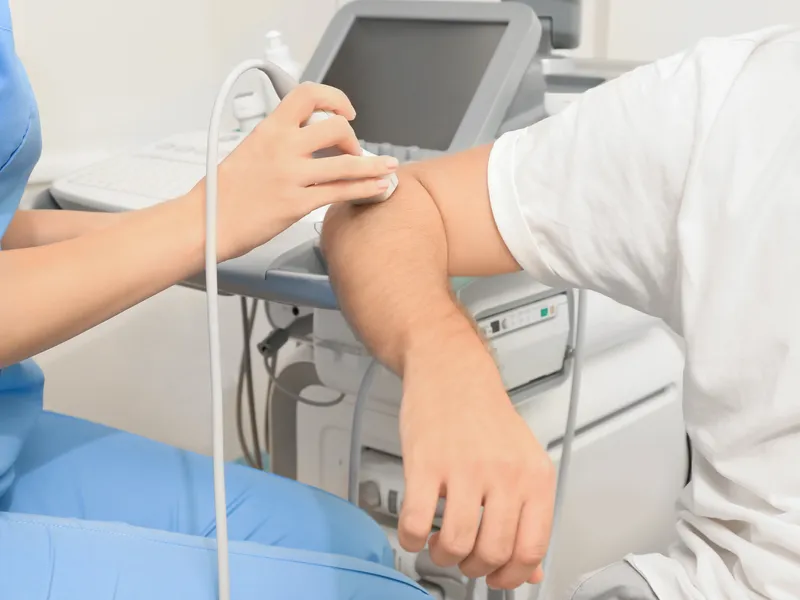
Therapeutic ultrasound uses high-frequency sound waves — completely different from the diagnostic imaging kind — to deliver gentle, deep heat to injured soft tissue. A handheld device called a transducer is moved slowly over the skin with a thin layer of coupling gel, sending waves through the surface and into the muscle, tendon, or ligament underneath.
The sound energy converts to warmth at depth — up to 5 cm below the skin — where a heating pad or ice pack can’t reach. That heat relaxes tight muscle fibers, expands blood vessels, and makes the collagen in tendons and ligaments pliable enough to remodel properly. For stubborn soft-tissue injuries that have stalled, ultrasound often provides the push the body needs to finally heal.
In pulsed mode, the device cycles on and off to minimize heat buildup — useful when tissue is still acutely inflamed. Dr. Kincaid selects the mode, frequency, and intensity based on what your injury needs at each stage of healing.
What to expect
Sessions are simple and easy. You’ll lie or sit comfortably while Dr. Kincaid applies a small amount of gel to the skin over the treatment site. The transducer moves in slow, overlapping circles — you’ll feel mild warmth, sometimes a faint buzzing sensation. There is no discomfort, no electricity, and no needles.
A typical session runs 5–10 minutes per area. Ultrasound is almost always combined with other care in the same visit — spinal or extremity adjustments, stretching, or targeted rehab exercises — so your appointment stays efficient. Most patients walk out feeling noticeably looser in the treated area.
Who it helps
Ultrasound therapy is especially useful for soft-tissue problems that aren’t responding to rest alone. Common candidates include:
- Shoulder pain and rotator cuff strains — deep tissue heat calms inflamed tendons and restores range of motion.
- Sprains and strains — ankle, wrist, knee, and back soft-tissue injuries that need a healing boost after the initial swelling settles.
- Bursitis — inflamed bursae in the hip, shoulder, or elbow respond well to reduced inflammation and improved circulation.
- Plantar fasciitis — chronic heel pain with tight, fibrotic plantar fascia tissue is a textbook ultrasound case.
If you have a nagging tendon, muscle, or ligament issue — especially one that has dragged on for weeks or months — request an exam so we can determine whether ultrasound therapy is the right fit for you.
Why choose Bluebonnet Chiropractic
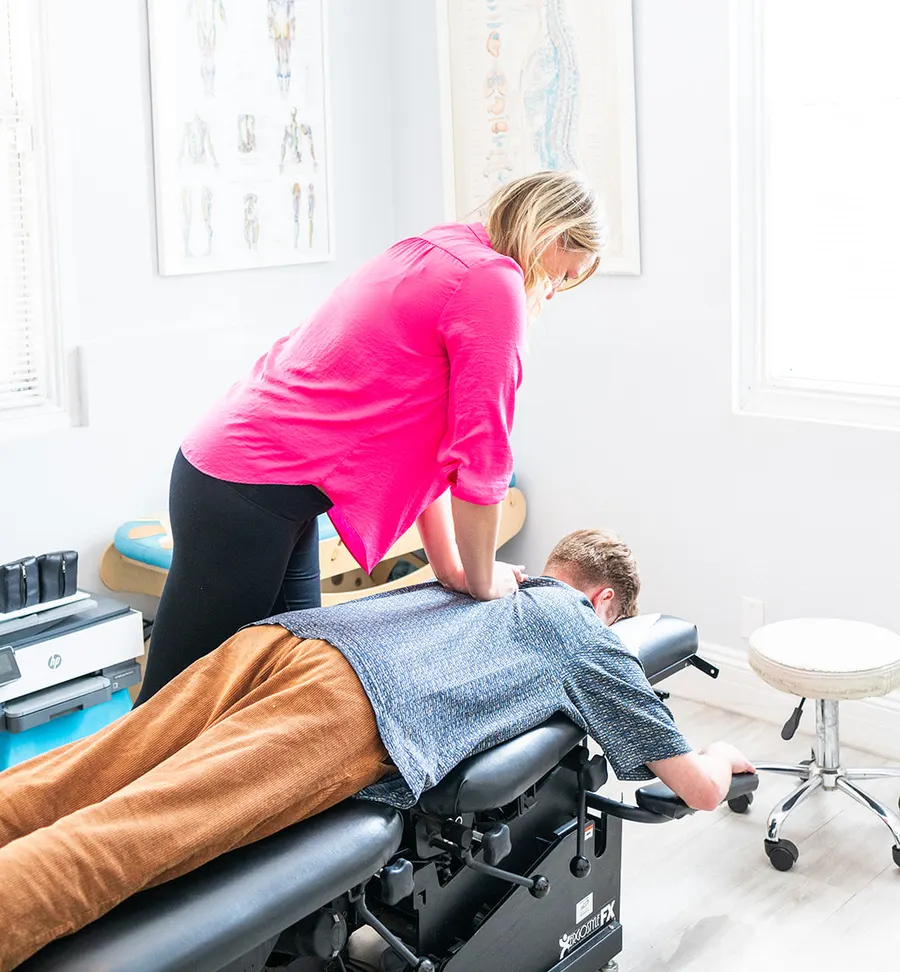
At Bluebonnet Chiropractic, Dr. Elizabeth Kincaid combines therapeutic ultrasound with the adjustments, rehab, and manual therapy that address why the tissue got injured in the first place. Treating the soft tissue in isolation often only provides temporary relief — pairing it with corrective care helps you heal faster and lowers the odds of the same injury coming back.
We welcome patients from Tomball, Magnolia, Cypress, The Woodlands, and Spring who want honest, individualized care. Ready to see whether ultrasound therapy can help your injury turn the corner? Visit our New Patients page for our New Patient Special, or request an appointment online today.
What it helps
Conditions we treat with ultrasound therapy
What is therapeutic ultrasound?+
Therapeutic ultrasound uses high-frequency sound waves — not the diagnostic kind used for imaging — to deliver gentle heat and mechanical energy to injured soft tissue. It increases blood flow, relaxes muscle, and promotes healing in tendons, ligaments, and muscle.
Does ultrasound therapy hurt?+
No. Most patients describe feeling a mild warmth or light tingling over the treatment area. The transducer glides gently on the skin with coupling gel. There is no pain.
How many sessions will I need?+
For most soft-tissue injuries, patients see improvement within 4–8 sessions. After your exam Dr. Kincaid will recommend a specific plan and tell you what to expect along the way.
Is ultrasound therapy safe?+
Yes. Therapeutic ultrasound has been used safely in clinical practice for decades. We screen for the small number of contraindications (active infection, certain implants, pregnancy over the treatment area) before starting.
Can ultrasound therapy help a shoulder injury?+
Absolutely. It is one of our go-to tools for rotator cuff strains, bursitis, and tendon irritation in the shoulder — conditions where deep tissue heat and improved circulation make a meaningful difference in recovery.
What conditions does ultrasound therapy treat?+
We commonly use it for sprains and strains, bursitis, plantar fasciitis, shoulder pain, tendinopathy, and scar tissue from old soft-tissue injuries. If you have a nagging muscle or tendon problem that hasn't resolved, it's worth discussing.
How is ultrasound therapy different from electrotherapy?+
Ultrasound uses sound waves to create deep heat and mechanical stimulation in tissue. Electrotherapy uses electrical current to manage pain and muscle activation. Many patients benefit from both, and we often pair them in the same visit.
Will my insurance cover ultrasound therapy?+
Coverage varies by plan, and therapies like ultrasound are sometimes handled differently from an adjustment. If you have questions about insurance or payment, call our office ahead of your visit and we'll be glad to talk through your options.
How long does a typical session last?+
Treatment time is usually 5–10 minutes per area, often combined with other therapies in the same appointment. You are in and out without significant disruption to your day.
Do I need a referral for ultrasound therapy in Texas?+
No referral is required to see a chiropractor in Texas, though your insurance plan may have its own rules if you intend to use coverage. Call our office or request an appointment online and we'll set up a time for your evaluation.
Explore more
Related services
Patient reviews